
Many women live with recurring pain—period cramps, endometriosis, or other chronic conditions—only to be told it is “just stress” or a normal part of being female. Emotional distress tied to hormonal changes, such as in PMDD or postpartum disorders, often meets the same dismissal. This pattern of minimization delays treatment, worsens pain, and erodes trust in healthcare systems.
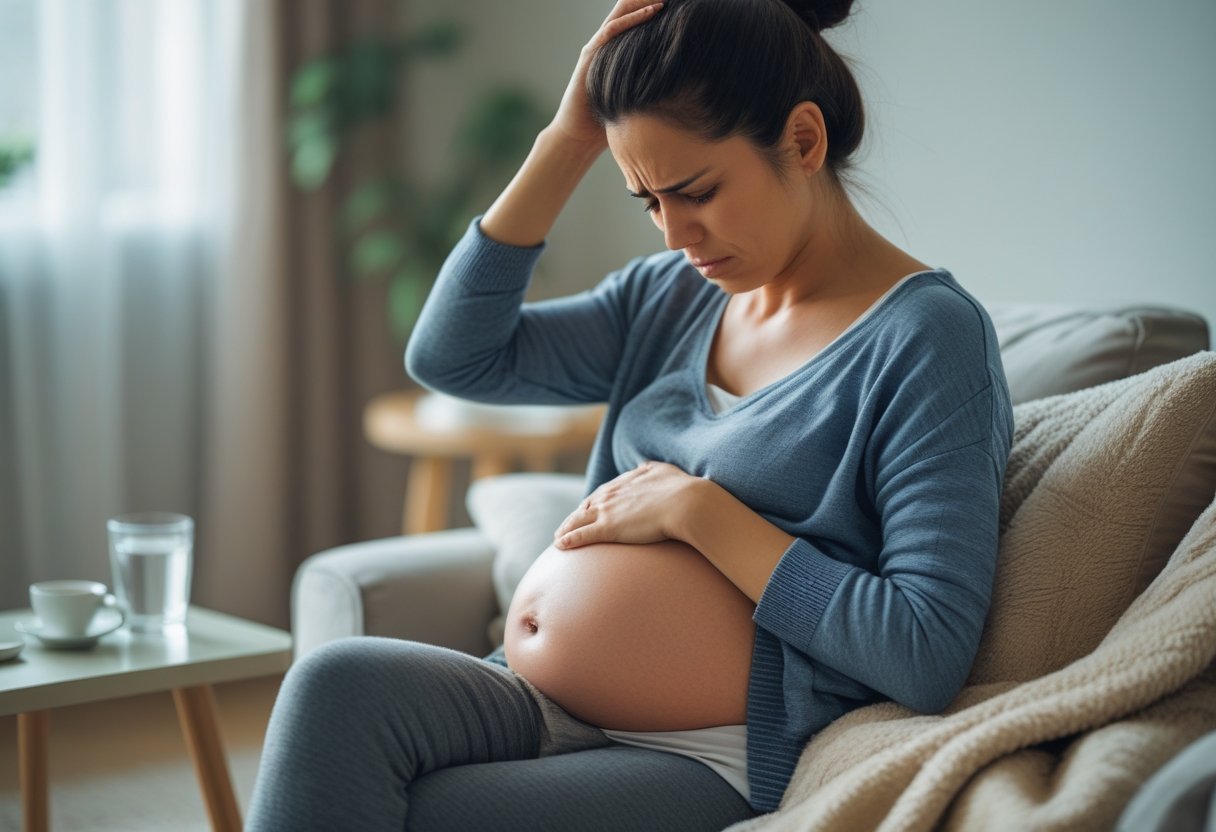
When women’s physical and mental health symptoms are consistently labeled as “anxiety” or “hormonal,” crucial opportunities for diagnosis and effective care are lost. Research shows that pain from endometriosis alone can disrupt work, relationships, and daily function, yet many women wait years for proper evaluation. Such oversight stems not only from medical bias but also from cultural tendencies to normalize women’s suffering.
Acknowledging this dismissal marks the first step toward change. By examining how society and medicine respond to women’s pain—from menstrual disorders to postpartum mental health—this discussion explores how accurate recognition and attentive care can improve both physical comfort and psychological well-being.
Systematic Dismissal of Women’s Physical and Mental Health Symptoms
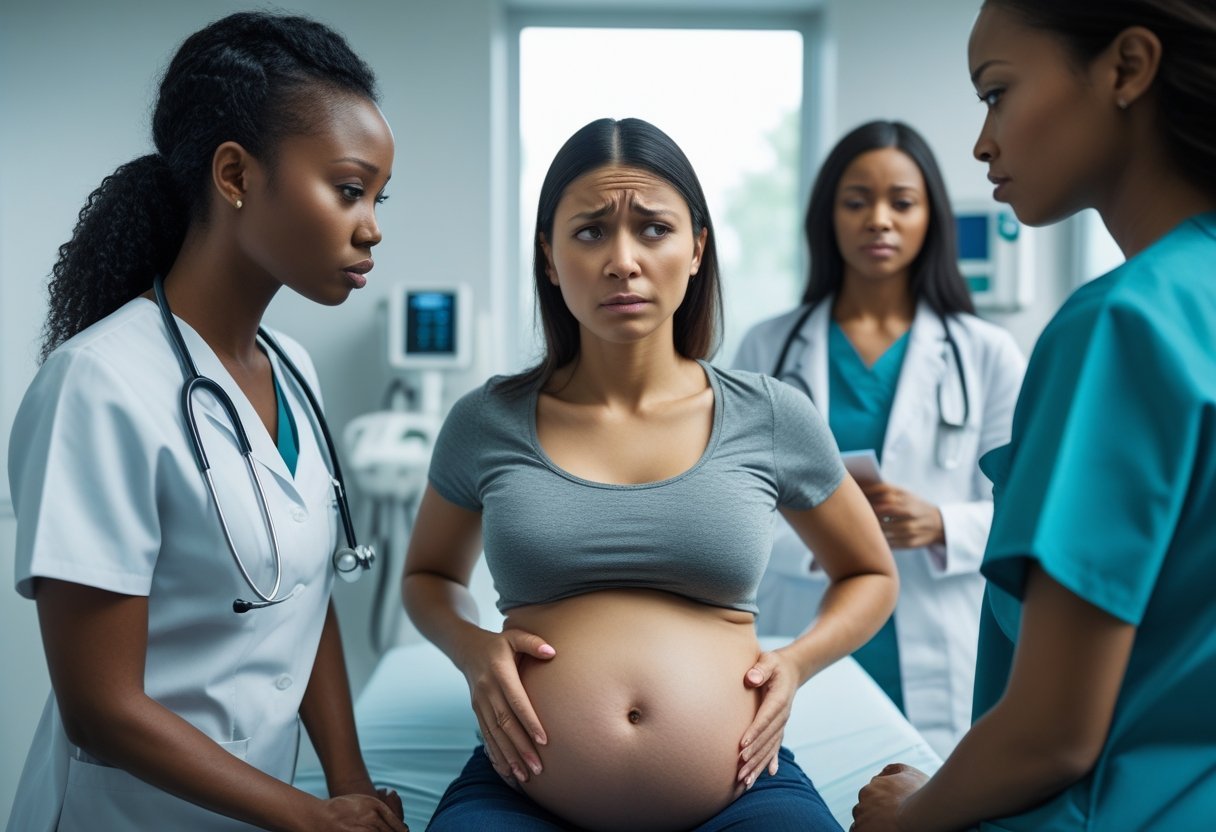
Women’s reports of pain and emotional distress often face minimization rooted in outdated medical beliefs and gender bias. These patterns appear across conditions such as endometriosis, chronic pain, premenstrual dysphoric disorder (PMDD), and postpartum depression, leading to misdiagnoses and delayed treatment that worsen physical and psychological outcomes.
Historical and Social Factors Driving Dismissal
The minimization of women’s symptoms stems from centuries of male-centered medical practice. Historically, researchers used predominantly male study subjects and generalized results to women, ignoring biological differences such as hormonal fluctuations and reproductive health. This approach created diagnostic frameworks that fit men’s bodies better than women’s.
Social attitudes reinforced the stereotype that women are more emotional or less tolerant of discomfort. Terms like “hysteria” once pathologized normal emotional responses, shaping how physicians interpret women’s complaints today. Even in modern medicine, female patients describing severe fatigue or pelvic pain are more likely to be told their symptoms are stress-related or psychological rather than investigated with objective diagnostics.
Cultural and institutional gender biases also play a role. Clinical training often fails to emphasize sex-specific symptom patterns in diseases such as heart disease or autoimmune conditions, leading to unequal treatment standards across genders.
Common Misdiagnoses and Their Consequences
Women reporting persistent or cyclical pain frequently receive psychiatric or benign explanations. For example:
| Symptom Reported | Common Mislabel | Possible Missed Condition |
|---|---|---|
| Pelvic pain or heavy periods | “Normal menstrual discomfort” | Endometriosis |
| Unexplained fatigue, muscle aches | “Depression” or “stress” | Autoimmune disease, fibromyalgia |
| Mood swings before menstruation | “Anxiety” or “PMS” | PMDD |
| Postpartum sadness or guilt | “Adjustment issue” | Postpartum depression |
Such misdiagnoses delay access to treatments that could manage physical disease and stabilize mental health. When physicians dismiss pain as emotional, patients internalize doubt, reducing trust in medical providers and discouraging follow-up care. The psychological burden of being disbelieved further compounds anxiety or depression, creating a cycle of inadequate assessment and worsening symptoms.
Impact on Timely Diagnosis and Care
Delayed recognition of women’s symptoms has measurable clinical consequences. Studies show women wait longer in emergency rooms when presenting with pain, particularly chest or abdominal symptoms. Those with chronic pain often endure years of inconclusive testing before receiving accurate diagnoses like endometriosis or fibromyalgia.
Physicians often use less aggressive diagnostic methods when symptoms appear “emotional,” which contributes to medical delays. This affects outcomes across reproductive and mental health conditions, including PMDD and postpartum mood disorders, where early care can significantly reduce complications.
Limited trust between patient and provider discourages women from seeking help or accurately reporting severity. Over time, unaddressed pain and repeated invalidation can escalate into chronic depression and heightened anxiety, transforming treatable conditions into long-term health challenges.
Understanding Physical Pain: Periods, Endometriosis, and Chronic Illness
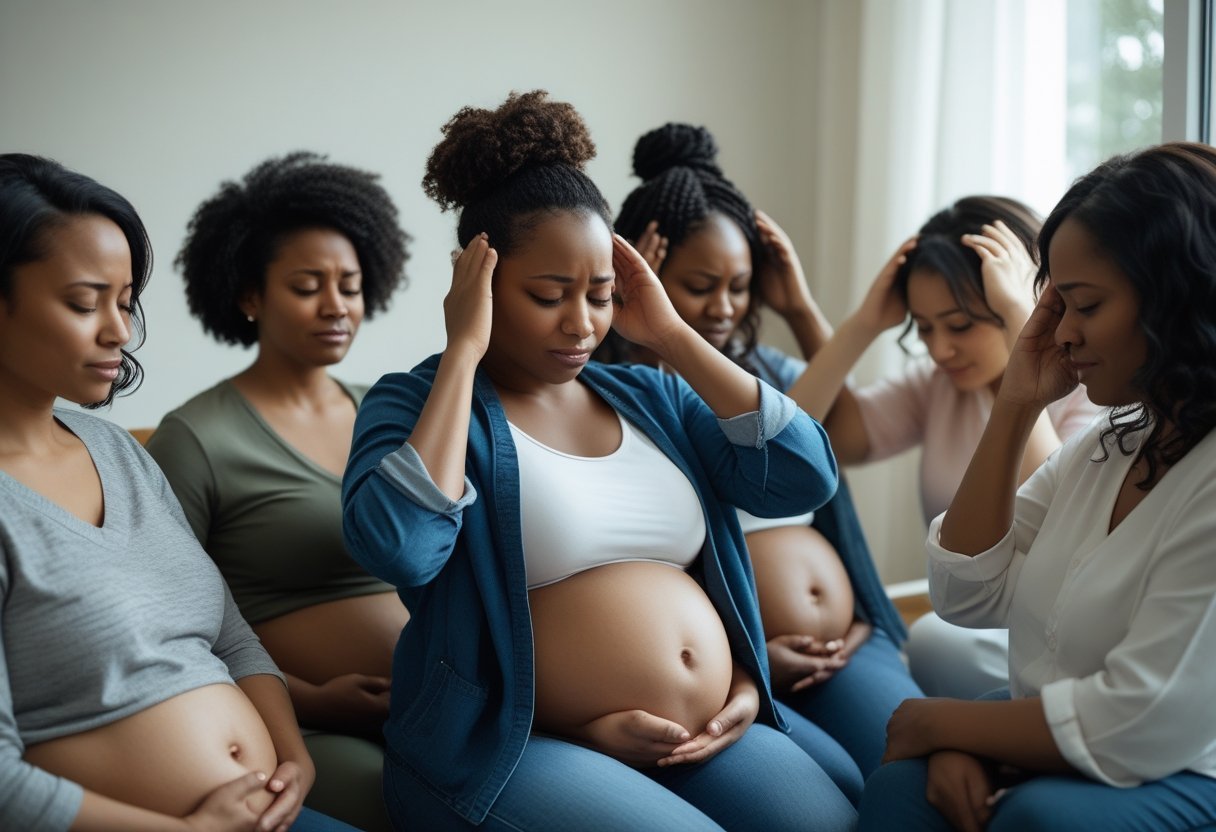
Physical pain tied to menstrual and reproductive health often signals complex underlying disorders rather than routine discomfort. Conditions such as endometriosis, chronic pelvic pain, and hormonal imbalances can manifest in ways that interfere with fertility, emotional wellbeing, and daily function, yet remain underrecognized in clinical practice.
Endometriosis and Its Symptoms
Endometriosis occurs when tissue resembling the uterine lining grows outside the uterus. These growths commonly affect the ovaries, fallopian tubes, peritoneum, and occasionally distant organs. They respond to hormonal cycles, leading to inflammation, internal bleeding, and scar formation.
Key symptoms include:
- Pelvic pain that worsens before or during menstruation
- Painful intercourse (dyspareunia)
- Bowel or urinary pain (dyschezia or dysuria)
- Chronic fatigue and bloating
Pain intensity does not correlate with lesion severity. Some experience debilitating pain with minimal visible tissue growth, while others show extensive lesions but mild symptoms. Because endometriosis is a chronic inflammatory condition, it can trigger not only physical pain but also fatigue and emotional strain, complicating quality of life and mental health.
Chronic Pelvic Pain and Menstrual Disorders
Chronic pelvic pain (CPP) refers to noncyclic pain lasting six months or more, localized in the lower abdomen or pelvis. It may stem from endometriosis, adenomyosis, pelvic inflammatory disease, or other musculoskeletal and gastrointestinal causes. Many experience CPP as persistent lower abdominal aching that limits mobility and daily activity.
Menstrual disorders such as severe dysmenorrhea often serve as early warning signs. Up to 90% of menstruating individuals experience cramping, yet dismissing persistent or worsening pain as “normal” leads to underdiagnosis. Providers must consider patterns—pain during ovulation, intercourse, or bowel movement—as markers of possible underlying disease.
A comparison of common sources of pelvic pain:
| Cause | Typical Symptoms | Common Overlaps |
|---|---|---|
| Endometriosis | Cyclical pelvic pain, infertility, fatigue | Dysmenorrhea, dyspareunia |
| Adenomyosis | Heavy bleeding, uterine tenderness | Dysmenorrhea |
| Pelvic Inflammatory Disease | Acute pain, fever, vaginal discharge | Adnexal tenderness |
Diagnostic Challenges and Delays
Accurate diagnosis often takes seven to ten years from symptom onset. This delay arises from limited awareness, inconsistent symptom patterns, and normalization of menstrual pain. Many patients undergo multiple treatments for unrelated conditions before imaging or laparoscopy confirms endometriosis or related disorders.
Standard evaluation includes medical and menstrual history, pelvic examination, and imaging such as ultrasound or MRI. However, laparoscopy remains the gold standard when direct visualization of lesions is required. Cost, accessibility, and gender bias contribute to further delays. Clinicians frequently attribute severe menstrual pain to anxiety or hormonal imbalance rather than exploring structural or inflammatory causes, leaving many without adequate relief.
Impact on Fertility and Daily Life
Endometriosis and chronic pelvic pain significantly affect both fertility and everyday functioning. Around one-third to one-half of those with endometriosis experience infertility due to tissue adhesions that block the fallopian tubes or affect ovarian function. Hormonal imbalances, particularly estrogen dominance and progesterone resistance, further disrupt implantation and cycle regularity.
Beyond reproductive health, symptoms such as persistent pain, fatigue, and bloating reduce concentration, physical activity, and sleep quality. Many restructure routines to avoid triggers like intercourse or strenuous exercise. This ongoing discomfort can lead to emotional distress and social withdrawal, especially when pain is dismissed or misunderstood.
Addressing these barriers requires integrated care that validates pain, focuses on symptom management, and supports reproductive goals through both medical and psychological interventions.
Mental Health Complications: PMDD, Postpartum Disorders, and Beyond
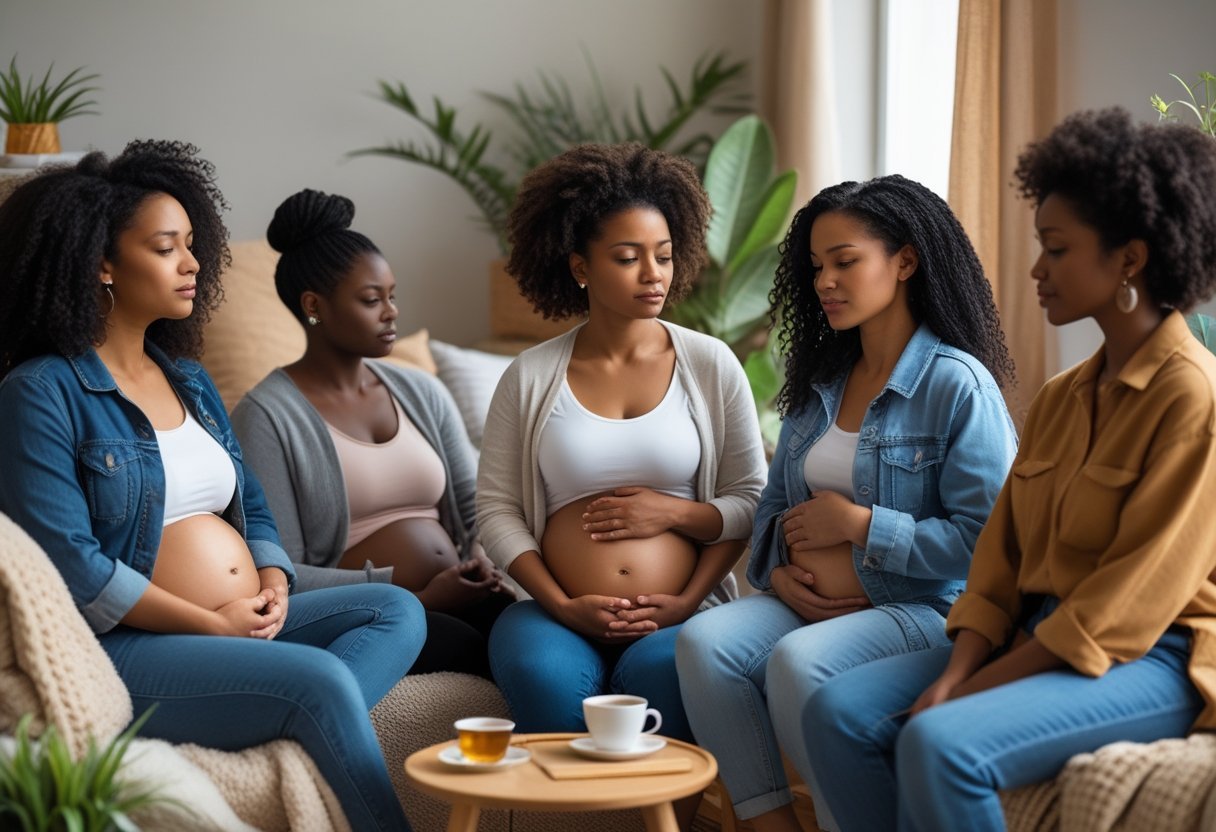
Hormonal and physical changes can influence mood and cognition, but when these effects become severe or prolonged, they can indicate treatable mental health disorders. Conditions such as premenstrual dysphoric disorder (PMDD), postpartum mood disturbances, and pain-related psychological distress often go unrecognized, leaving many women without appropriate support or intervention.
Premenstrual Dysphoric Disorder (PMDD)
PMDD is a severe form of premenstrual syndrome involving significant mood and behavioral symptoms that impair daily functioning. It affects an estimated 3–8% of menstruating women and is strongly linked to cyclical hormonal sensitivity rather than an underlying character or stress-related issue.
Common symptoms include marked irritability, depressed mood, anxiety, loss of interest, and difficulty concentrating. Physical symptoms like bloating, breast tenderness, and fatigue often accompany psychological distress.
Diagnosis relies on tracking symptoms prospectively over at least two menstrual cycles and differentiating PMDD from major depressive disorder or generalized anxiety disorder. Selective serotonin reuptake inhibitors (SSRIs) are considered first-line treatment, either continuously or during the luteal phase. Cognitive-behavioral therapy and lifestyle adjustments—regular exercise, consistent sleep, and reduced caffeine intake—offer additional benefit for symptom regulation.
Postpartum Mental Health Struggles
The postpartum period brings sharp hormonal fluctuations and major life adjustments, increasing vulnerability to mood disorders. Postpartum depression (PPD) affects roughly 1 in 5 women in the U.S., while postpartum anxiety and obsessive-compulsive symptoms are also common but often overlooked.
Symptoms range from persistent sadness and guilt to intrusive thoughts and extreme worry about the baby’s safety. Without timely treatment, these conditions can disrupt maternal bonding and family stability. Healthcare providers use screening tools such as the Edinburgh Postnatal Depression Scale (EPDS) to detect risk early.
Treatment typically combines psychotherapy, social support, and medication when clinically indicated. Early recognition and destigmatized discussion of postpartum mental health encourage mothers to seek care rather than dismiss symptoms as simple hormonal adjustment.
Psychological Impact of Chronic Pain Disorders
Chronic pain conditions—such as endometriosis, fibromyalgia, and autoimmune illnesses—create continuous strain on mental health. Persistent pain can heighten vulnerability to depression and anxiety, particularly when the pain is dismissed or misattributed to emotional instability.
Pain-related fatigue and loss of mobility often erode social and occupational functioning. Feelings of helplessness or invalidation amplify emotional distress, reinforcing a cycle in which psychological symptoms worsen physical pain perception.
Integrated care models combining pain management with psychotherapy and psychoeducation show improved outcomes. Cognitive-behavioral pain therapy can reduce emotional burden, while targeted medical treatment addresses physical symptoms. Recognition of the mental toll of chronic illness remains vital for equitable, compassionate healthcare.
Pathways to Better Pain Recognition and Mental Health Support

Improving care for women with chronic and reproductive pain requires a coordinated approach that connects physical and mental health. Progress depends on better diagnostic methods, inclusive research, and stronger patient advocacy supported by evidence-based practices.
Integrating Physical and Mental Health in Diagnosis
Clinicians often separate physical and psychological symptoms when evaluating women’s pain. This division can obscure conditions such as endometriosis, premenstrual dysphoric disorder (PMDD), and postpartum depression, where hormonal, neurological, and emotional factors interact. Integrating these elements in assessments helps identify underlying pathologies earlier and reduce mislabeling as “just anxiety.”
Health systems can use multidisciplinary screening models that include gynecologists, psychologists, and pain specialists. Shared medical records and standardized pain questionnaires provide better continuity of care. Collecting sex-specific data in research also ensures that diagnostic criteria reflect the biological and psychosocial realities of women’s pain rather than applying male-centered norms.
Training programs that address gender bias and symptom dismissal can further reduce diagnostic gaps. When clinicians recognize how mental health influences pain experience, they can make more accurate and compassionate evaluations.
Effective Pain Management and Treatment Approaches
Evidence-based, multimodal pain management is essential for conditions like chronic pelvic pain and fibromyalgia. Medication alone rarely resolves these complex disorders. A balanced approach can combine pharmacologic therapy (anti-inflammatory agents, hormonal regulation, or pain modulators) with non-pharmacologic interventions such as physiotherapy, cognitive-behavioral therapy, and mindfulness techniques.
| Treatment Type | Example Interventions | Purpose |
|---|---|---|
| Pharmacologic | NSAIDs, hormonal therapy, antidepressants | Reduce inflammation or modulate pain pathways |
| Psychological | Cognitive-behavioral therapy, stress management | Address emotional aspects of chronic pain |
| Physical | Pelvic floor therapy, yoga, exercise | Improve mobility and reduce tension |
Access to specialized pain clinics and individualized care plans can prevent years of unmanaged symptoms. Including women in clinical trials ensures safer and more effective therapy options for reproductive and chronic pain conditions.
Empowering Patients and Advocating for Change
Improving outcomes also involves patient advocacy and active participation in treatment planning. Women benefit when care providers validate their reports of pain and involve them in decisions about medication, therapy, and follow-up. Transparent communication helps build trust and reduces the mental burden of feeling ignored.
Health education programs—both community-based and clinical—can teach individuals to recognize abnormal pain patterns and seek timely evaluation. Support groups and online platforms give patients shared knowledge and reduce isolation.
On a systemic level, policy and curriculum reforms should require gender-sensitive training for medical professionals. Expanding research funding for women’s health encourages innovation in pain management and mental health integration. Empowered patients, informed clinicians, and evidence-driven systems together help close the persistent gender gap in care.
No responses yet