
When choosing between a beauty blender and a makeup brush, the decision boils down to the desired finish and product type. A beauty blender excels at creating a natural, dewy look and works well with cream and liquid products. In contrast, a makeup brush provides more coverage and is better suited for powders and fuller, polished finishes.
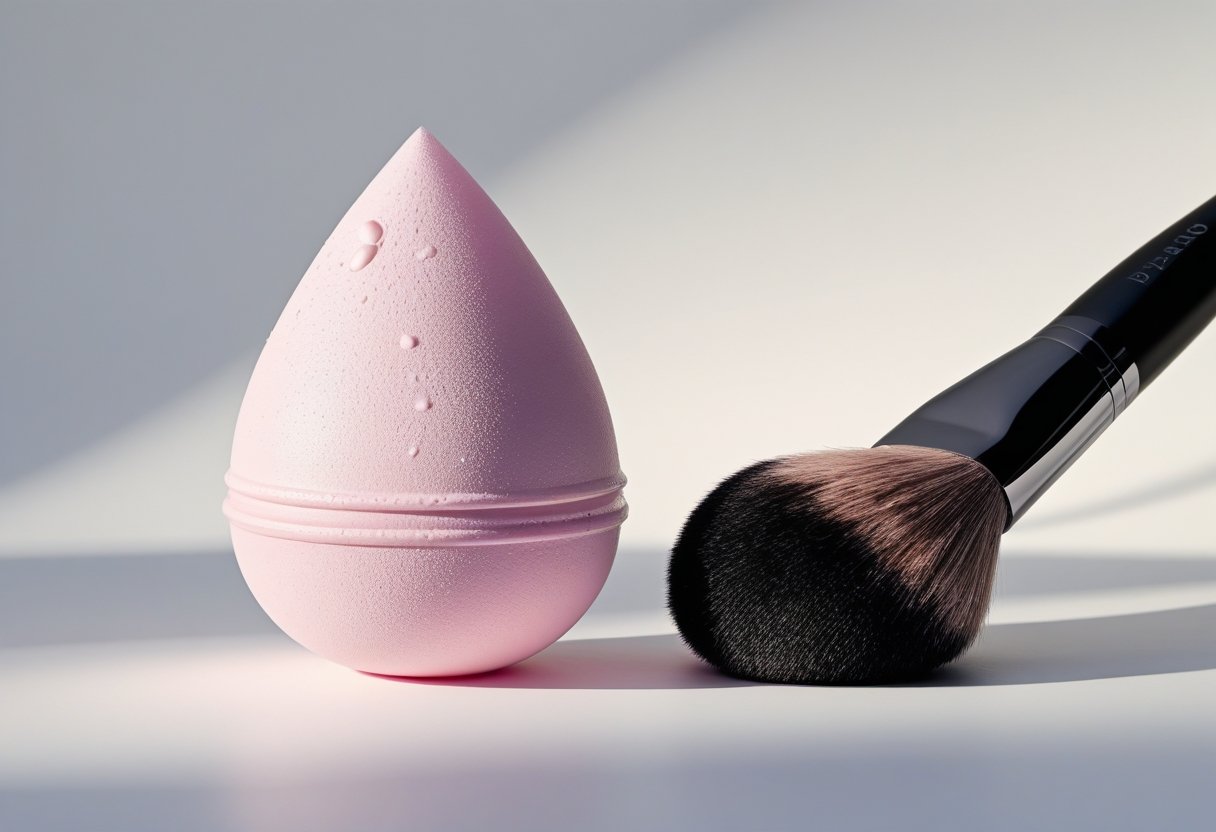
The beauty blender offers a lightweight, seamless application, while brushes tend to deliver more precise and buildable coverage. Maintenance also differs, with brushes generally being easier to clean and faster to dry, making them more practical for some users.
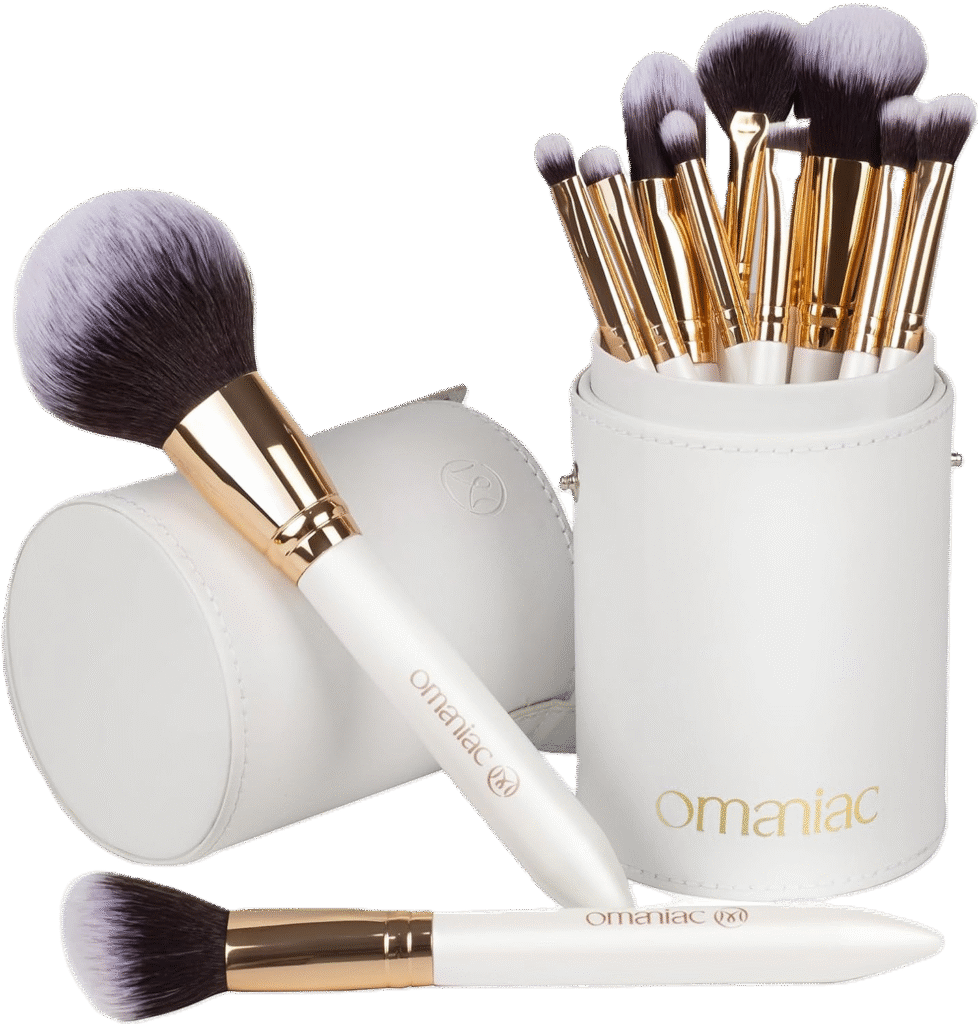
Our Pick: ZHIYE Beauty Blender
- Latex-free, Odor free, dye-free, eco-friendly, and non-allergenic
- Wet or dry, can be applied to varieties of cosmetics
- Edgeless design Soft sponges, great for contouring and blending and easy to clean
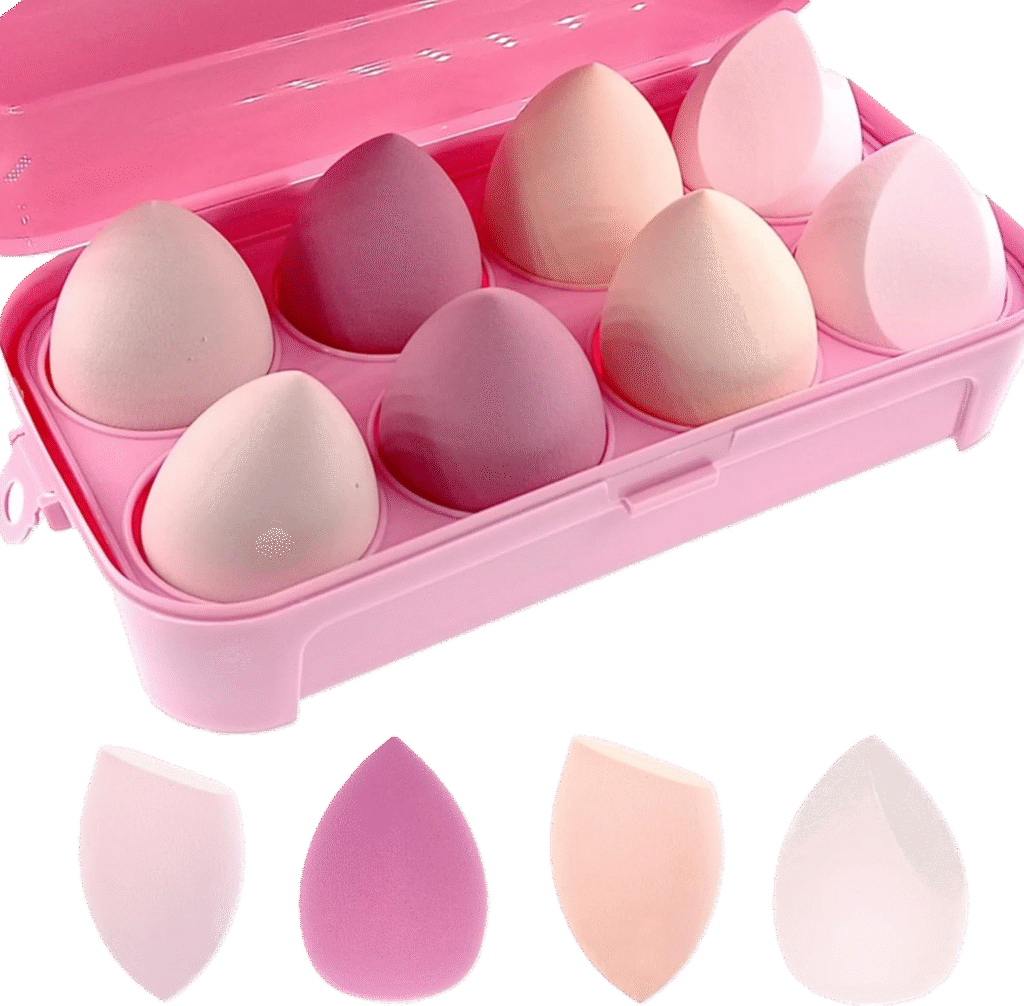
Our pick: OMANIAC Professional Makeup Brushes
- All brushes are made of imported premium quick-drying fibre wool, so no-shedding, and absorbs less giving you a more natural makeup finish.
- Quality and complete makeup brushes set will totally cover your daily needs with pro makeup blending, contouring, shading, highlighting, foundation, eye shadow, eyebrow, concealer and more.
Key Differences Between Beauty Blender and Make Up Brush
The differences between a Beauty Blender and a makeup brush lie in their materials, how they apply products, the finish they create, and which products they best suit. Each tool has unique strengths that affect the overall makeup look and application process.
Material and Design
A Beauty Blender is a soft, sponge-like tool made from non-latex foam. Its egg-shaped design, with a pointed tip and rounded base, allows for detailed application and blending in hard-to-reach areas like around the nose and under the eyes. It expands when dampened, which helps in smoother, more even application.
Makeup brushes are typically made from natural or synthetic bristles attached to a handle. They come in many shapes and sizes tailored for different purposes. Brushes offer more control in product placement due to their firmer structure. The density and cut of bristles directly influence how the product is applied and blended.
Application Techniques
The Beauty Blender applies makeup by bouncing or stippling the product onto the skin. This technique minimizes streaks and builds a seamless, blended look. It is usually dampened before use, which helps sheer out the product for a natural finish.
Brushes use sweeping or buffing movements to apply and blend makeup. The technique depends on the brush type: flat brushes are best for precision and full coverage; fluffy brushes help diffuse product for softer effects. Brushes allow better control over areas needing sharper definition.
Finish and Coverage
Beauty Blenders create a dewy, lightweight finish. Because they absorb some product, the coverage tends to be sheer to medium. The sponge’s texture helps blend foundation or cream products into the skin, producing a natural, skin-like finish that avoids cakiness.
Makeup brushes provide a more polished and often higher coverage finish. By layering product precisely, brushes can offer full coverage without the absorption issues found with sponges. They are preferred for looks requiring opacity and defined contours.
Product Suitability
Beauty Blenders are ideal for liquid and cream formulas like foundation, concealer, and cream blush. Their porous material works well to diffuse these products evenly.
Brushes have greater versatility and can be used with powders, liquids, and creams. Specific brushes—such as stippling, kabuki, or contour brushes—match well with certain products, from setting powders to heavy cream foundations. This adaptability makes brushes more multi-functional.
Choosing the Best Tool for Your Makeup Routine
Selecting between a beauty blender and a makeup brush depends on specific factors like skin type, cleaning habits, and budget. Each tool offers unique advantages that align differently with these practical aspects.
Skin Type Considerations
For sensitive or dry skin, a damp beauty blender provides a gentle, hydrating application. It helps avoid streaks and delivers a natural, dewy finish without irritating the skin.
Makeup brushes suit oily or combination skin better, offering fuller coverage and better control over product placement. Brushes also allow for layering without absorbing much product.
Those with acne-prone skin should consider hygiene carefully. Brushes can accumulate bacteria in bristles if not cleaned regularly, while sponges may trap makeup inside, requiring frequent replacement.
Ease of Cleaning and Maintenance
Makeup brushes require thorough cleaning to remove buildup of makeup, oils, and bacteria. Proper maintenance means washing them once a week with gentle cleanser and allowing them to air dry fully to prevent mold.
Beauty blenders soak up product and moisture, which makes them prone to bacterial growth if not dried properly. They often need bi-weekly deep cleaning and replacing every few months to maintain hygiene.
Both tools demand regular cleaning, but brushes tend to dry faster and can last longer if maintained. Sponges offer ease in blending but need more attention to avoid hygiene issues.
Cost and Longevity
Initial costs vary widely: quality brushes can range from moderate to expensive depending on brand and type, while beauty blenders are generally less expensive upfront.
Brushes typically last longer with proper care, sometimes years, making them a better investment over time despite a higher initial price.
Beauty blenders wear out faster due to repeated washing and daily use, often requiring replacement every 3-4 months to maintain performance and hygiene.
| Factor | Beauty Blender | Makeup Brush |
|---|---|---|
| Initial Cost | Lower to moderate | Moderate to high |
| Lifespan | 3-4 months | Multiple years with care |
| Cleaning Ease | Can retain moisture | Dries quickly, easier care |
| Ideal Skin Type | Dry, sensitive | Oily, combination |
As an Amazon Associate, I earn commission from qualifying purchases.
No responses yet