
The Lifetime Cost of Being a Woman: Understanding How Gender-Based Pricing Impacts Your Long-Term Wealth
When I started tracking my household expenses, I discovered something that made my stomach drop: I was paying significantly more than my male partner for nearly identical products. Women pay an average of $2,381 more per year than men for the same goods and services, which adds up to approximately $188,000 over a lifetime.
This isn’t just about paying a few extra dollars for a pink razor or women’s shampoo. I’m talking about a systematic pattern of gender-based pricing that affects everything from my dry cleaning bills to my healthcare costs. The pink tax isn’t an actual government tax, but rather a form of price discrimination that quietly drains women’s wallets across countless everyday purchases.
What shocked me most was learning how these seemingly small price differences compound over decades, creating a financial burden that extends far beyond individual shopping trips. I realized that understanding this hidden cost isn’t just about being a smarter consumer—it’s about recognizing how gender-based pricing threatens women’s long-term financial security and what we can do to fight back.
Understanding the Pink Tax and Gender-Based Price Discrimination
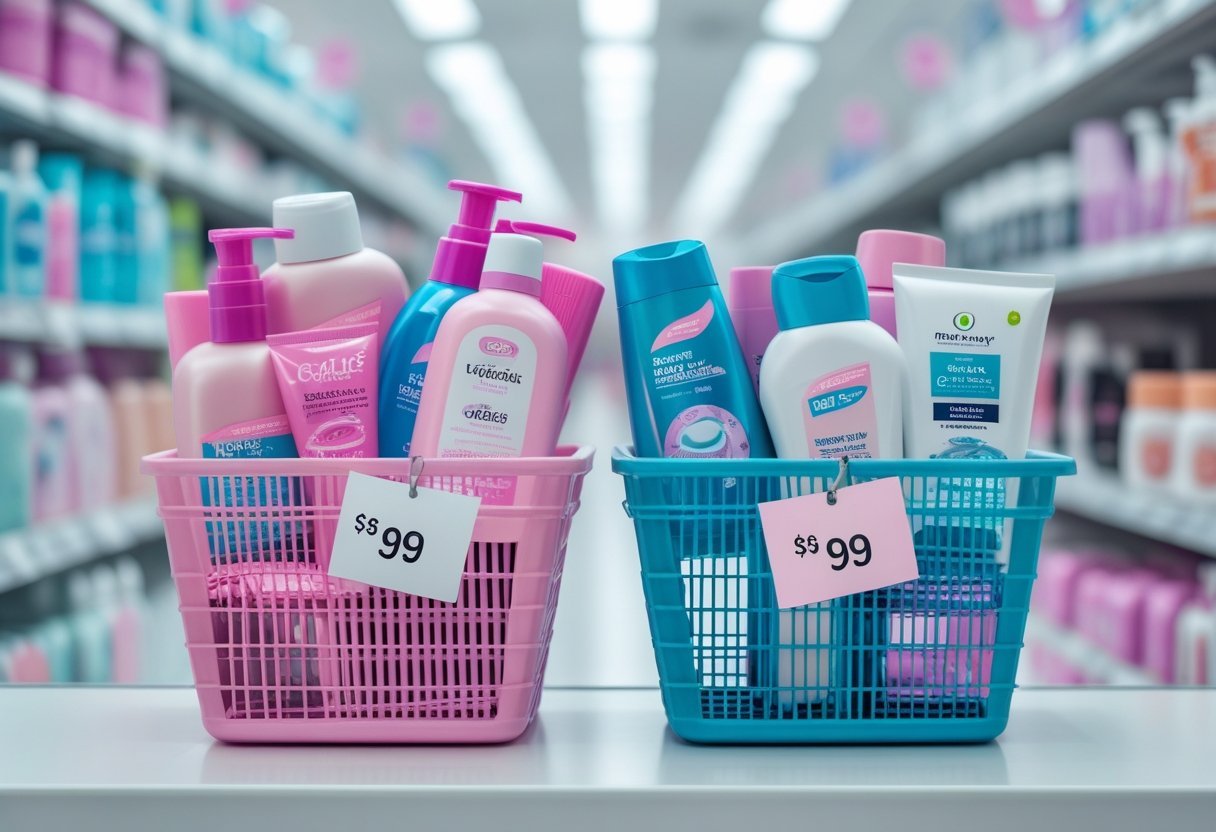
The pink tax represents systematic gender-based price discrimination where women pay more for similar products and services. This pricing disparity stems from decades of marketing strategies and packaging decisions that artificially inflate costs for female consumers.
What Is the Pink Tax?
The pink tax isn’t an actual government tax. It’s a form of gender-based pricing where products marketed to women cost more than nearly identical items sold to men.
I’ve seen this discrimination across multiple product categories. Personal care items like razors and deodorants often carry higher price tags when packaged for women. Clothing alterations, dry cleaning services, and even haircuts typically cost women more than men for similar services.
Key areas affected by the pink tax include:
- Personal care products (shampoo, razors, body wash)
- Clothing and accessories
- Healthcare services
- Home and auto services
- Children’s toys and products
The Vermont guidance defines gender-based pricing as charging different prices based on consumer gender. Research shows women pay approximately $2,381 more annually for identical goods and services compared to men.
This price discrimination adds up to nearly $188,000 over a woman’s lifetime. The financial impact extends beyond individual purchases to create long-term wealth disparities between genders.
Historical Background of Gender-Based Pricing
Gender-based price discrimination has roots in traditional marketing assumptions about women’s spending habits. Companies historically believed women were less price-sensitive and more willing to pay premium prices for aesthetically pleasing products.
The New York City Department of Consumer Affairs conducted groundbreaking research in 2015. Their study examined price differences across 794 products from 91 brands. The findings revealed women’s products cost 7% more on average than comparable men’s items.
Early examples of this discrimination appeared in dry cleaning services. Women’s blouses consistently cost more to clean than men’s shirts, despite similar fabric and cleaning processes. This practice became so widespread that several states now prohibit gender-based pricing for services.
The term “pink tax” gained popularity as advocacy groups highlighted these pricing disparities. Consumer awareness campaigns began exposing how companies charged women more for products simply because of pink packaging or feminine marketing.

The Role of Marketing and Packaging in Price Differences
Marketing strategies create artificial product differentiation to justify higher prices for women’s items. Companies add feminine scents, colors, or packaging to basic products and charge premium prices for these cosmetic changes.
I notice razor manufacturers use this tactic frequently. Women’s razors often feature pink or purple handles with moisturizing strips. The core shaving technology remains identical to men’s razors, yet women’s versions cost significantly more.
Packaging plays a crucial role in price discrimination. Products marketed to women typically feature:
- Softer color palettes (pink, purple, pastels)
- Curved or decorative bottle shapes
- Feminine fonts and imagery
- Claims about gentleness or skin benefits
These marketing elements don’t improve product functionality. They serve to segment markets and justify higher prices for female consumers. Companies invest in separate product lines, advertising campaigns, and shelf space to maintain these artificial distinctions.
The practice exploits societal expectations about gender preferences. Women face social pressure to purchase products that align with feminine presentation standards, reducing their ability to choose lower-priced alternatives marketed to men.
Real-World Examples: Everyday Products and Services That Cost Women More
Women face higher prices across nearly every category of consumer goods and services, from basic personal care items to complex financial products. These price differences add up to thousands of dollars annually and impact women’s financial security throughout their lives.
Personal Care Product Mark-ups
I’ve found that personal care products represent some of the most obvious examples of gender-based pricing. Razors marketed to women cost an average of 11% more than identical men’s razors, despite having the same blade technology and materials.
Shampoo and conditioner specifically marketed to women carry price premiums of 48% compared to men’s hair care products. The formulations often contain similar active ingredients, yet the packaging and marketing justify higher costs.
Menstrual products face an additional burden through sales taxes in many states. These feminine hygiene products are classified as luxury items rather than medical necessities, adding tax costs that men never encounter.
Deodorants and antiperspirants show consistent price gaps, with women’s versions costing 8% more on average. The active ingredients remain nearly identical between gendered versions of the same brands.
Gender-Based Pricing in Children’s Items and Toys
Children’s clothing demonstrates clear price discrimination before kids can even choose their preferences. Girls’ shirts cost an average of 13% more than boys’ shirts in identical sizes and materials.
Toys marketed to girls carry higher price tags than similar items for boys. Pink scooters, bicycles, and electronic toys often cost 5-15% more than the same products in different colors.
Baby clothes show immediate gender pricing, with infant girls’ clothing costing more despite babies having no gender preferences. This pricing pattern establishes itself from birth and continues throughout childhood.
Higher Costs for Clothing and Dry Cleaning
Women’s clothing faces higher base prices and additional service costs that compound the financial impact. Dry cleaning charges women significantly more, with shirts costing $7.50 compared to $2.50 for men’s shirts at many establishments.
Shoes marketed to women cost more across all categories, from athletic footwear to professional dress shoes. The materials and construction methods remain similar, yet women’s versions carry premium pricing.
Formal wear shows extreme price differences, with women’s suits and professional clothing costing substantially more than men’s equivalents. Alterations for women’s clothing also command higher fees despite similar complexity.
Expensive Financial and Insurance Products
Financial services extend gender-based pricing into long-term wealth building. Long-term care insurance costs women 20-40% more than men due to longer life expectancies and higher care utilization rates.
Annuities provide lower monthly payments to women for the same initial investment. Insurance companies adjust payouts based on gender life expectancy tables, reducing women’s retirement income.
Health insurance historically charged women higher premiums before recent regulatory changes. Reproductive health coverage continues to create additional costs through specialized plan requirements.
Investment fees sometimes vary by gender through different product offerings. Women receive more conservative investment options with higher management fees, reducing long-term wealth accumulation.
Compounding Effects: How Gendered Costs Threaten Women’s Financial Futures

The pink tax creates a cascading financial disadvantage that grows exponentially over time, particularly when combined with existing wage disparities. These compounding costs can steal hundreds of thousands of dollars from women’s lifetime earnings and savings potential.
Cumulative Lifetime Expenses Due to the Pink Tax
The numbers are staggering when you add up the pink tax costs over decades. Women pay an average of $2,381 more per year for the same goods and services that men purchase.
This annual penalty accumulates to approximately $188,000 over a woman’s lifetime. The calculation assumes consistent spending patterns from age 18 to retirement.
Here’s how these costs break down by category:
| Product Category | Annual Extra Cost |
|---|---|
| Personal Care Items | $850 |
| Clothing & Apparel | $680 |
| Healthcare Services | $520 |
| Financial Products | $331 |
The 4% price premium on consumer packaged goods means I’m paying more for basic necessities throughout my entire adult life. Personal care items carry the heaviest burden, with women paying 17% higher average prices for explicitly gendered products.
Intersection With the Gender Pay Gap
The pink tax becomes particularly devastating when combined with the existing wage gap between men and women. While earning less money, women simultaneously face higher costs for similar products and services.
This creates a double financial penalty that compounds over time. When I earn fewer dollars but need to spend more of those dollars on necessities, my purchasing power erodes significantly.
The intersection means women have less disposable income to begin with, yet face inflated prices that consume a larger percentage of their earnings. This combination accelerates the wealth gap between genders.
Wage Gap and Its Impact on Savings and Wealth
Lower wages combined with higher expenses create a savings crisis for many women. The reduced ability to save and invest means missing out on compound interest growth over decades.
When I have less money available for retirement contributions, emergency funds, or investments, my long-term financial security suffers dramatically. The gap in accumulated wealth grows exponentially due to lost investment returns.
Women already face retirement savings challenges due to career interruptions and longer lifespans. The pink tax exacerbates these issues by reducing the amount available for wealth-building activities during prime earning years.
Social Pressures and the Cost of Beauty Standards
Societal expectations create additional financial pressure on women to spend more on appearance-related products and services. These beauty standards aren’t just preferences—they often impact professional opportunities and social acceptance.
The cosmetics industry, hair care services, and fashion expectations create ongoing expenses that many women feel obligated to maintain. Professional women may face workplace discrimination for not meeting certain appearance standards.
These social pressures make it difficult to simply opt out of pink-taxed products. When my career advancement or social acceptance depends on meeting expensive beauty standards, the pink tax becomes an unavoidable cost of participation in society.
Progress, Policy Reforms, and How to Take Action

Several states have banned the tampon tax while advocacy groups push for federal legislation like the Pink Tax Repeal Act. I can make a difference by supporting these efforts and becoming a smarter consumer who compares prices across gendered products.
Legal Efforts to Ban Gender-Based Price Discrimination
The Pink Tax Repeal Act has been introduced in Congress multiple times to prohibit gender-based price discrimination. This federal legislation would require businesses to charge the same price for substantially similar products regardless of gender.
California became the first state to ban gender-based pricing in 1995. New York followed with stronger enforcement mechanisms after the New York City Department of Consumer Affairs documented widespread price disparities.
States with gender pricing bans:
- California
- New York
- Connecticut
- Florida
- Illinois
These laws typically allow consumers to file complaints and impose fines on businesses. However, enforcement remains inconsistent across jurisdictions.
I can support these efforts by contacting my representatives about federal legislation. Many advocacy groups provide templates to make this process easier.
The Fight to Repeal the Tampon Tax
The tampon tax refers to sales tax applied to menstrual products in most states. This tax treats essential hygiene items as luxury goods rather than necessities.
Twenty-one states have eliminated the tampon tax as of 2024. States like Nevada, New York, and Connecticut led the charge by reclassifying these products.
Benefits of tampon tax repeal:
- Saves women $20-40 annually
- Reduces period poverty
- Recognizes menstrual equity
The movement gained momentum through grassroots organizing and legislative advocacy. Social media campaigns helped raise awareness about this form of gender-based taxation.
I can advocate for repeal in my state by joining local organizations focused on menstrual equity. Many groups provide action toolkits for effective advocacy.
Consumer Advocacy and How to Shop Smarter
Smart shopping strategies help me avoid paying the pink tax while supporting businesses with fair pricing practices. Price comparison is my most powerful tool against gender-based discrimination.
Shopping strategies:
- Compare prices between men’s and women’s versions
- Buy from the men’s section when products are identical
- Choose generic or unisex brands
- Research companies with gender-neutral pricing
I should photograph price disparities and report them to consumer protection agencies. Many states have hotlines for gender pricing complaints.
Supporting businesses that practice fair pricing sends a market signal. I can research company policies and choose brands committed to gender equity.
Social media advocacy amplifies my voice when I share examples of the pink tax. This raises awareness and pressures companies to change discriminatory pricing practices.